Understanding the Role of Barges and Tugs in Marine Projects
SG
Introduction to Barges and Tugs
In the world of marine projects, understanding the roles of barges and tugs is crucial. These vessels play a vital part in transporting goods, equipment, and materials across water bodies, enabling various industries to function smoothly. From construction to oil and gas, their utility is unparalleled.
What are Barges?
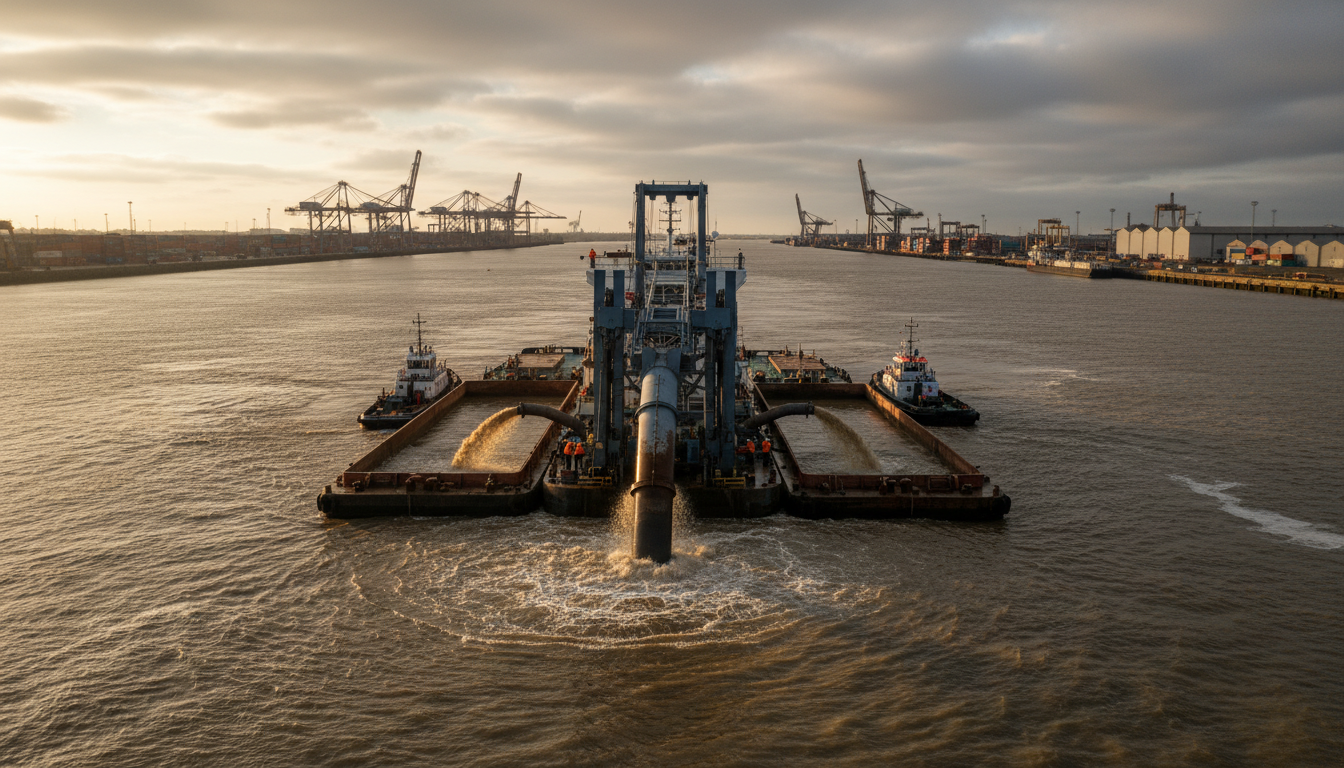
Barges are flat-bottomed vessels designed primarily for the transport of heavy goods. Unlike traditional ships, they lack their own propulsion system, relying on external forces for movement. Their design allows for the efficient loading and unloading of cargo, making them indispensable in projects requiring the transport of bulky items.
Typically, barges are used in inland waterways, though they can also operate in coastal waters. Their versatility and capacity to carry large loads make them a favored choice in many marine projects.
The Role of Tugs
Tugs, often referred to as tugboats, are small but powerful vessels designed to maneuver other vessels by pushing or pulling them. They are essential in guiding barges through narrow or congested waterways and assisting in docking and undocking operations.
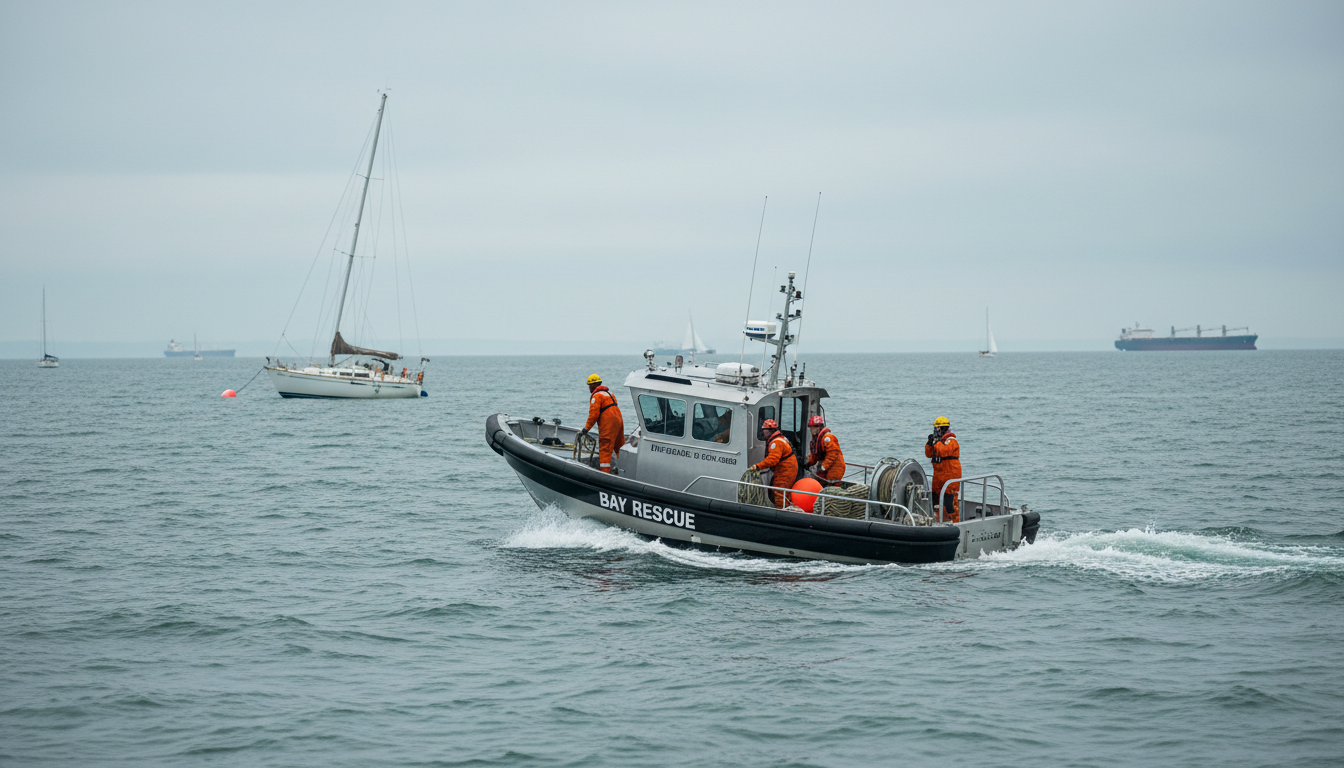
Equipped with robust engines, tugs provide the necessary force to move barges and other large ships. Their agility and strength allow them to perform tasks that larger ships cannot handle on their own.
Applications in Marine Projects
Barges and tugs are crucial in several marine industries. Some of their primary applications include:
- Construction: Transporting construction materials to offshore and coastal sites.
- Oil and Gas: Moving equipment and supplies to drilling platforms.
- Logistics: Facilitating the transport of goods in areas where traditional shipping is not feasible.
Environmental and Economic Advantages
Using barges and tugs in marine projects offers both environmental and economic benefits. Barges, for instance, can carry substantial amounts of cargo in a single trip, reducing the number of journeys required and minimizing fuel consumption. This efficiency translates to lower emissions, making them a greener option compared to other transportation methods.
Economically, the ability to transport large volumes at once reduces operational costs. Companies can move vast quantities of materials efficiently, helping to keep project budgets in check.
Conclusion
In summary, the role of barges and tugs in marine projects is indispensable. Their ability to transport heavy and bulky goods across various water bodies makes them essential to numerous industries. By understanding their function and benefits, businesses can optimize their operations, ensuring successful and sustainable project outcomes.