Understanding Ship Management and Operations: What You Need to Know
SG
Understanding ship management and operations is crucial for anyone involved in the maritime industry. This complex field encompasses various tasks and responsibilities that ensure the smooth functioning of ships. From crew management to maintenance and regulatory compliance, ship management is a multifaceted domain.

The Basics of Ship Management
Ship management involves overseeing the daily operations of a vessel, ensuring that it is safe, efficient, and compliant with international regulations. This process includes technical management, crewing, and operational support. Technical management covers the maintenance and repair of ships, while crewing involves recruiting and training seafarers.
Operational support deals with the logistics of shipping, such as route planning and fuel management. Effective ship management requires a deep understanding of maritime laws and the ability to handle unexpected challenges at sea.
The Role of Ship Managers
Ship managers play a critical role in the maritime industry. They are responsible for the overall performance of a vessel, ensuring that it operates smoothly and efficiently. Their duties include:
- Managing budgets and controlling costs
- Ensuring compliance with maritime regulations
- Coordinating maintenance and repairs
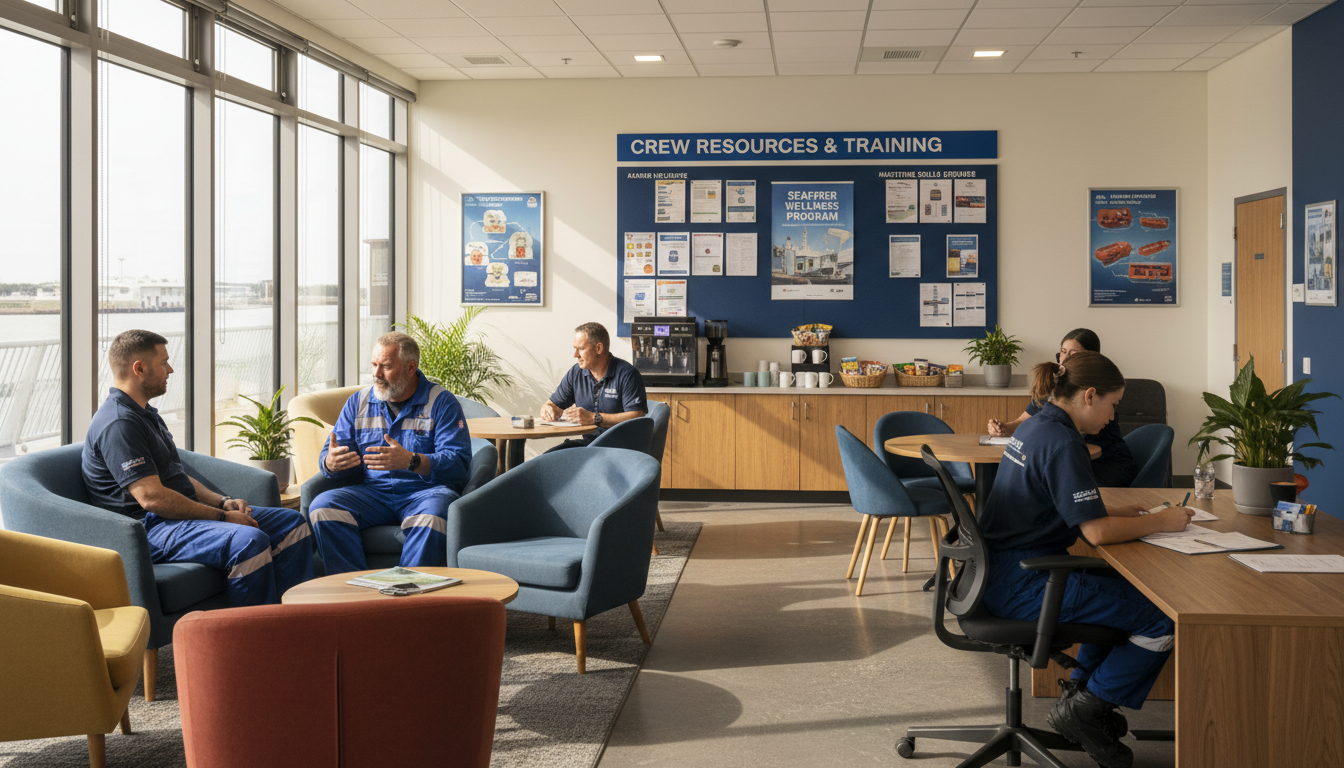
- Overseeing crew management and training
Operational Challenges in Ship Management
Managing a ship is not without its challenges. One of the significant issues is ensuring compliance with international regulations. Ships must adhere to various rules concerning safety, environmental protection, and labor standards. Failure to comply can lead to severe penalties and reputational damage.
Another challenge is maintaining the vessel's efficiency in terms of fuel consumption and route optimization. With the rising cost of fuel, ship managers must find ways to minimize expenses while maintaining operational effectiveness.
Technological Innovations in Ship Management
Technology plays a vital role in modern ship management. Advances in digital tools and software have made it easier to monitor and control various aspects of ship operations. Innovations such as predictive maintenance, real-time tracking, and automated systems have enhanced efficiency and safety.
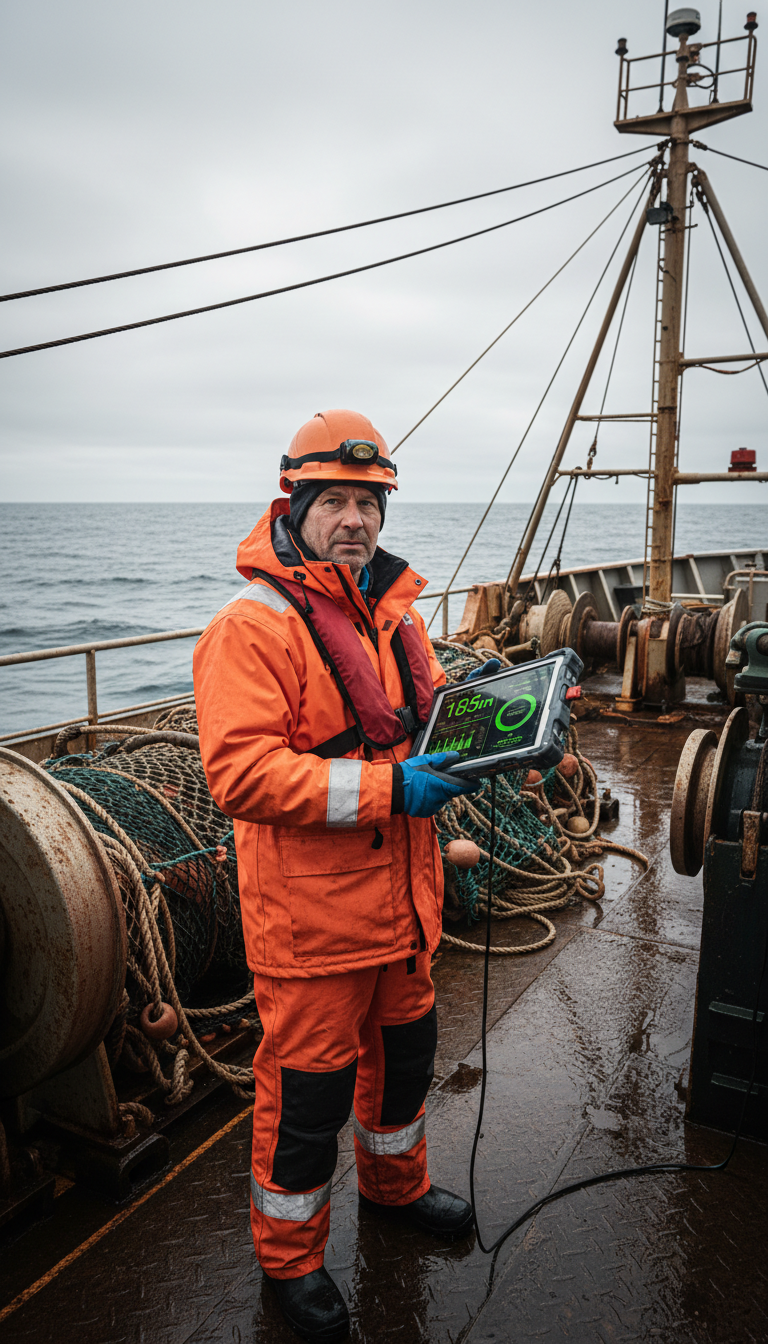
These technologies not only improve operational effectiveness but also contribute to sustainability by reducing emissions and optimizing resource use. As the industry evolves, embracing these innovations becomes increasingly important.
The Future of Ship Management
The future of ship management is likely to be shaped by continued technological advancements and a growing emphasis on sustainability. As environmental regulations become stricter, ship managers will need to adopt greener practices and technologies to comply with these new standards.
Additionally, the integration of artificial intelligence and machine learning in ship operations could revolutionize how ships are managed, making them more autonomous and efficient. This shift will require ongoing adaptation and learning within the industry.
Conclusion
Understanding ship management and operations is essential for anyone involved in maritime activities. By grasping the basics and staying informed about technological and regulatory changes, stakeholders can ensure the smooth and efficient running of ships, ultimately contributing to the industry's success.