The Role of Barges & Tugs in Modern Maritime Operations
SG
Introduction to Barges and Tugs
In the vast world of maritime operations, barges and tugs play a pivotal role. These unsung heroes of the sea are essential for transporting goods, assisting in construction, and supporting offshore operations. Their contributions are invaluable, yet often overlooked in discussions about maritime logistics.
Barges, flat-bottomed boats, are primarily used for transporting heavy goods like coal, grains, and other bulk commodities. Tugs, on the other hand, are powerful vessels designed to maneuver other vessels by pushing or towing them.
The Importance of Barges in Maritime Transport
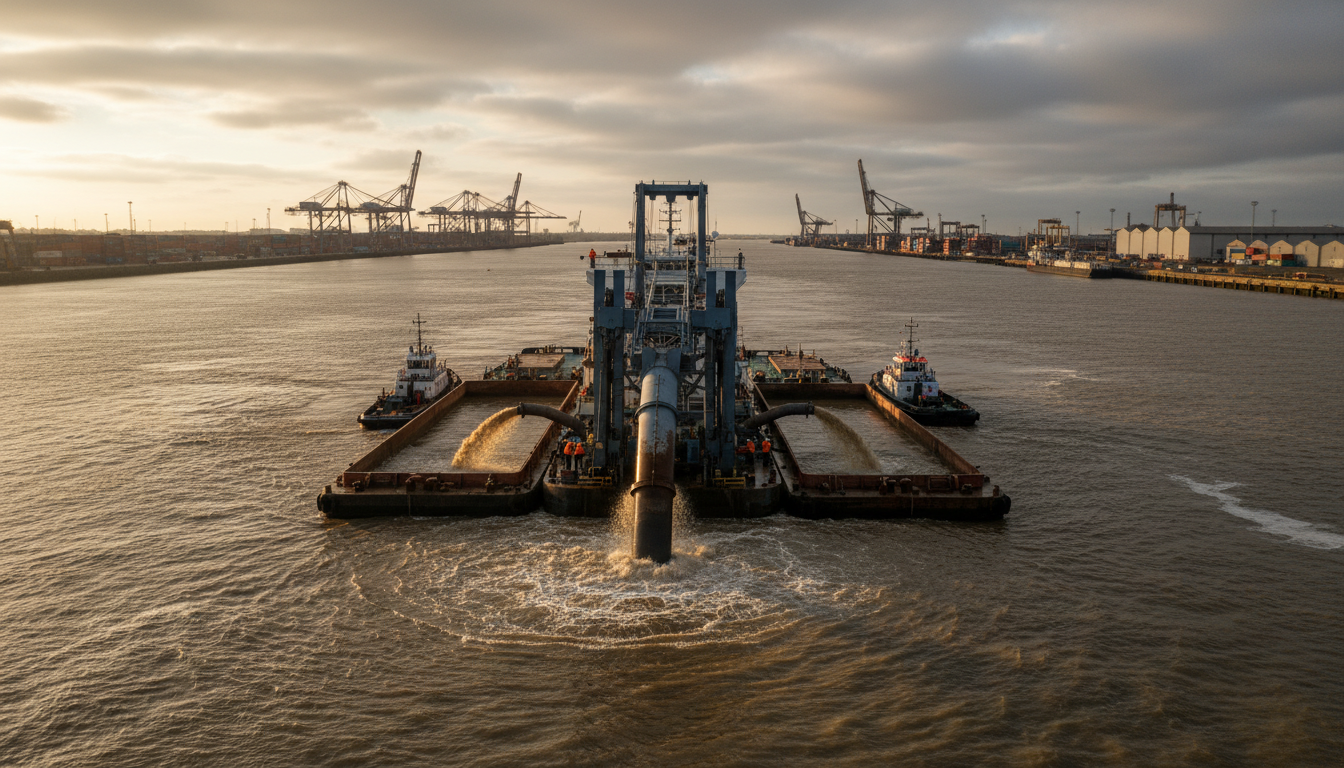
Barges are crucial for inland and coastal shipping. They offer an efficient way to move large volumes of goods over short distances, especially on rivers and canals. Their design allows them to carry heavy loads, making them ideal for industries that require bulk transport.
One of the main advantages of barges is their **cost-effectiveness**. Transporting goods via barge is often cheaper than other methods, reducing shipping costs significantly. Additionally, barges have a minimal environmental impact, as they use less fuel compared to trucks and trains.
Barges in Construction and Offshore Operations
Beyond transportation, barges are integral to construction and offshore operations. They serve as platforms for building bridges, docks, and other infrastructure. In offshore settings, barges are used for laying pipelines, installing wind turbines, and supporting oil drilling activities.
The Role of Tugs in Maritime Operations
Tugs are indispensable for ensuring the safety and efficiency of marine navigation. These robust vessels assist larger ships in docking, undocking, and maneuvering through narrow or crowded waterways. Without tugs, many ports would face significant challenges in managing maritime traffic.
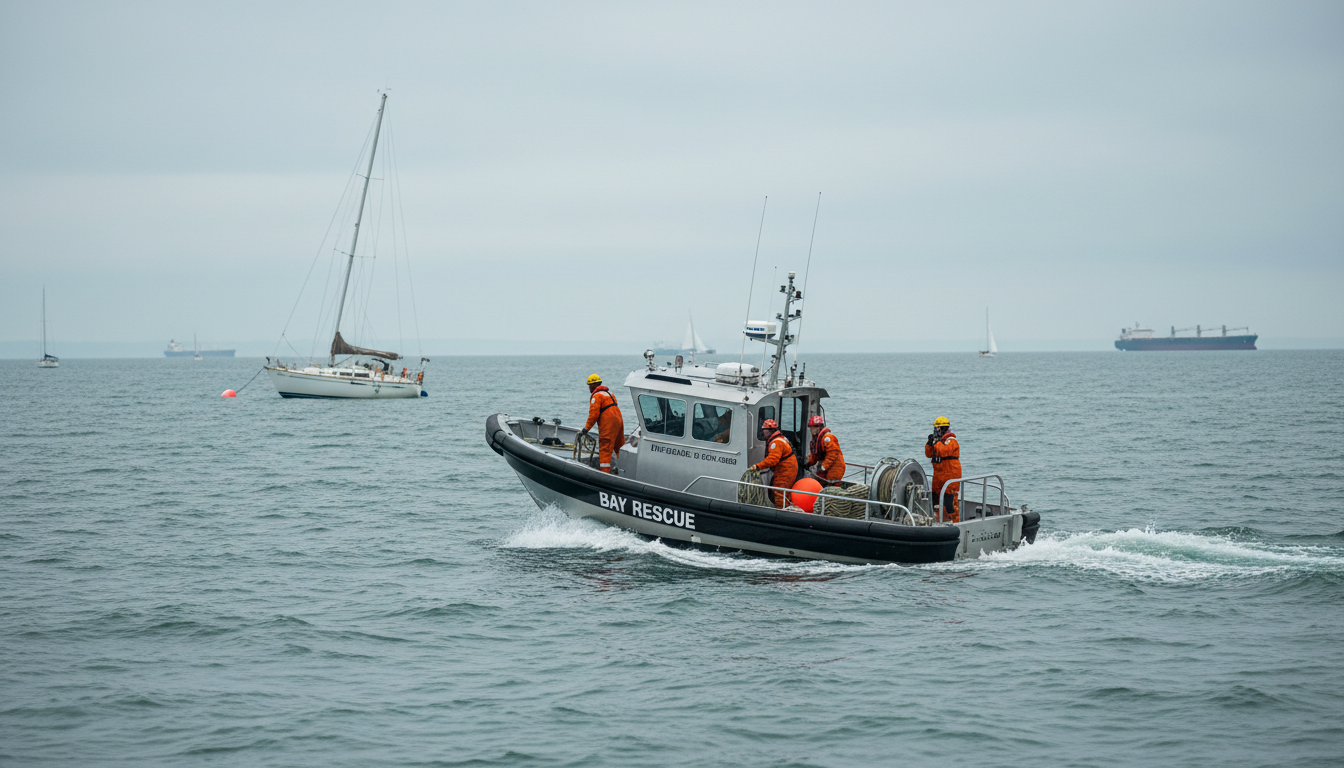
Tugs are also vital in **emergency situations**. They provide crucial support in rescue operations, towing disabled vessels, and helping to contain oil spills. Their versatility and strength make them an essential component of maritime safety protocols.
Technological Advancements in Tugs
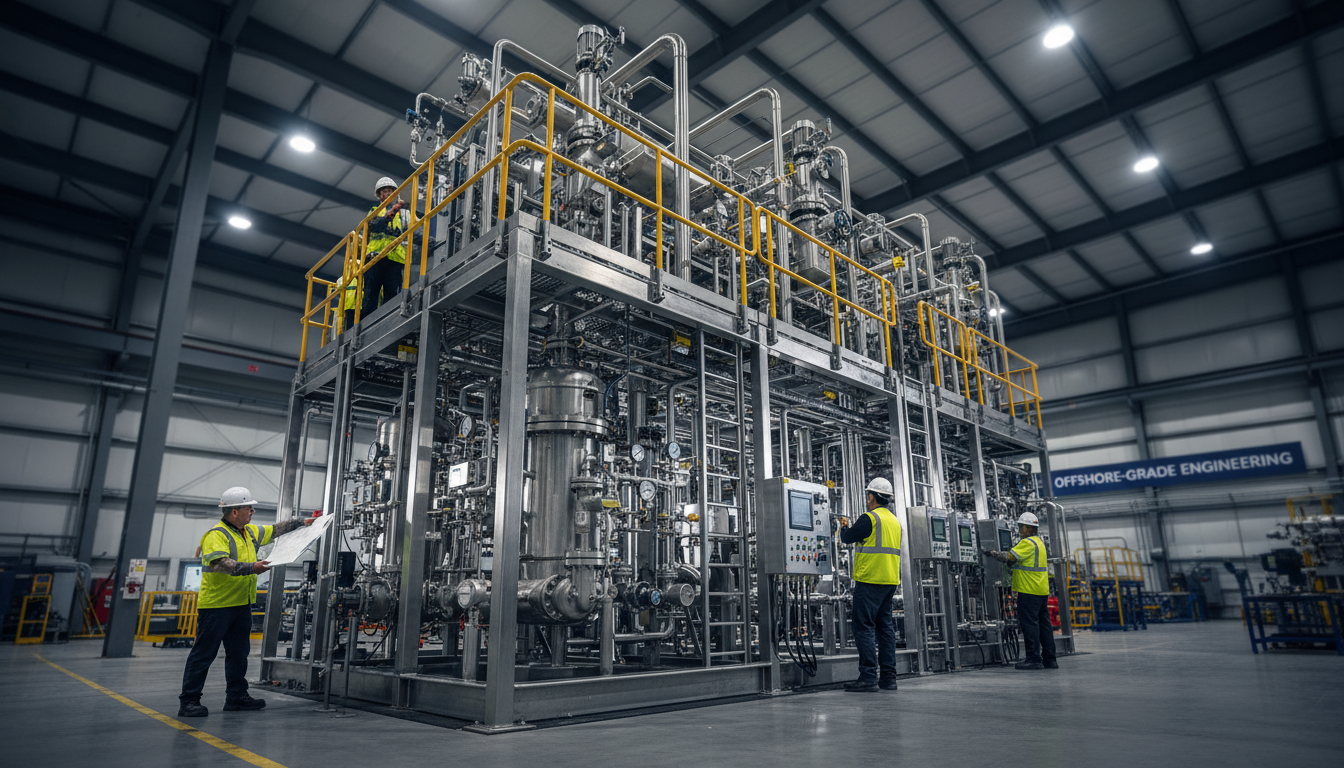
Modern tugs are equipped with advanced technology to enhance their capabilities. Features like dynamic positioning systems, enhanced towing equipment, and eco-friendly engines have revolutionized tug operations. These innovations allow tugs to operate more efficiently and with greater precision.
Conclusion
The role of barges and tugs in modern maritime operations cannot be overstated. They are vital for ensuring efficient transportation, supporting construction projects, and maintaining safety at sea. As technology continues to advance, the capabilities of these vessels will only improve, further solidifying their position as essential elements of the maritime industry.
Understanding the importance of barges and tugs helps appreciate the complexity and efficiency of global shipping networks. Their contributions are crucial to the smooth functioning of modern maritime operations, ensuring that goods and services reach their destinations safely and effectively.