Seasonal Preparation: Ensuring Maritime Safety During Dubai’s Weather Changes
SG
Understanding Dubai's Maritime Climate
Dubai is renowned for its stunning coastline and bustling ports, making maritime activities an integral part of its economy and lifestyle. However, the city's weather patterns can be unpredictable, necessitating thorough preparation to ensure safety at sea. Understanding the seasonal climate changes is essential for maritime operations.
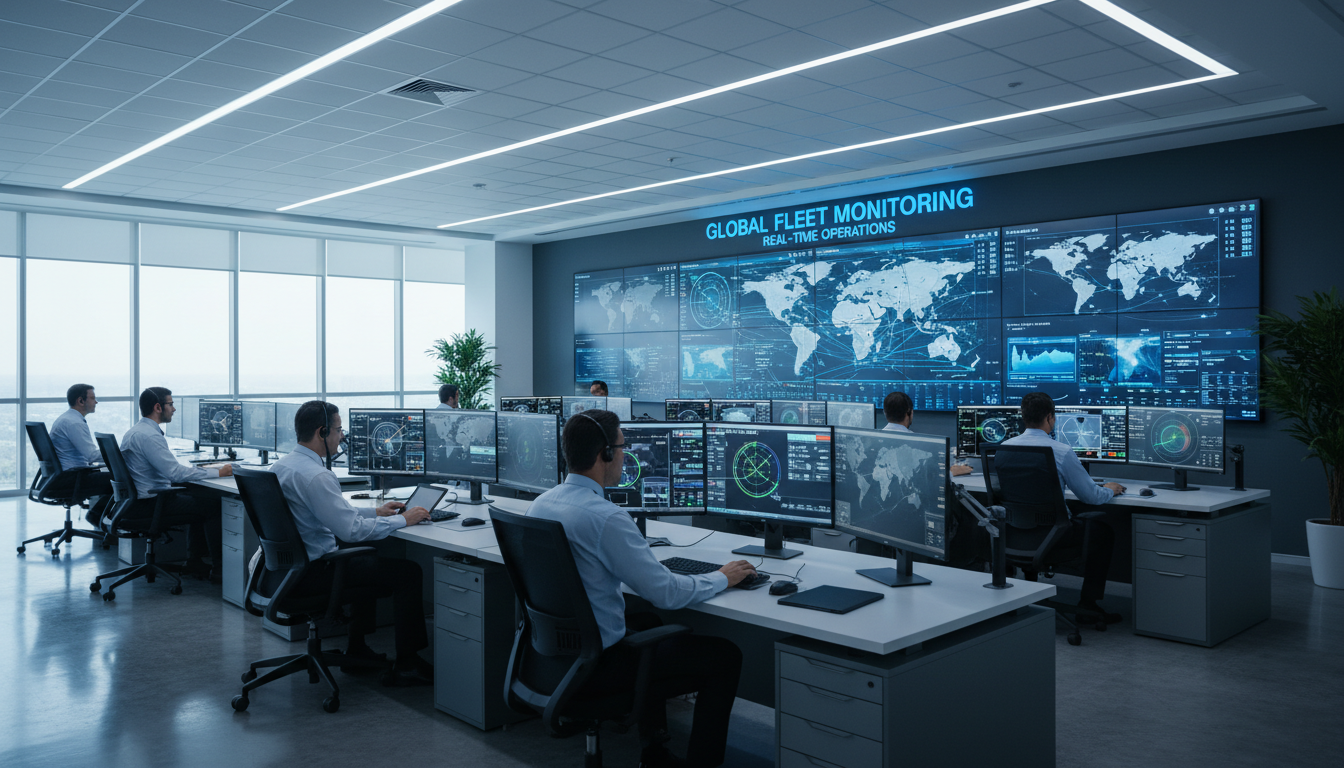
The transition from mild winters to scorching summers can bring unexpected challenges. The region experiences changes in wind patterns, sea temperatures, and visibility, all of which can impact maritime safety. Being aware of these changes helps in planning and executing safe voyages.
Preparing Vessels for Weather Changes
The first step in ensuring maritime safety is to prepare the vessels accordingly. Regular maintenance checks become even more crucial during seasonal changes. Here are some key areas to focus on:
- Hull Inspection: Inspect the hull for any signs of wear or damage.
- Engine Checks: Ensure engines are serviced and functioning optimally.
- Safety Equipment: Verify that life vests, rafts, and other safety gear are in good condition.
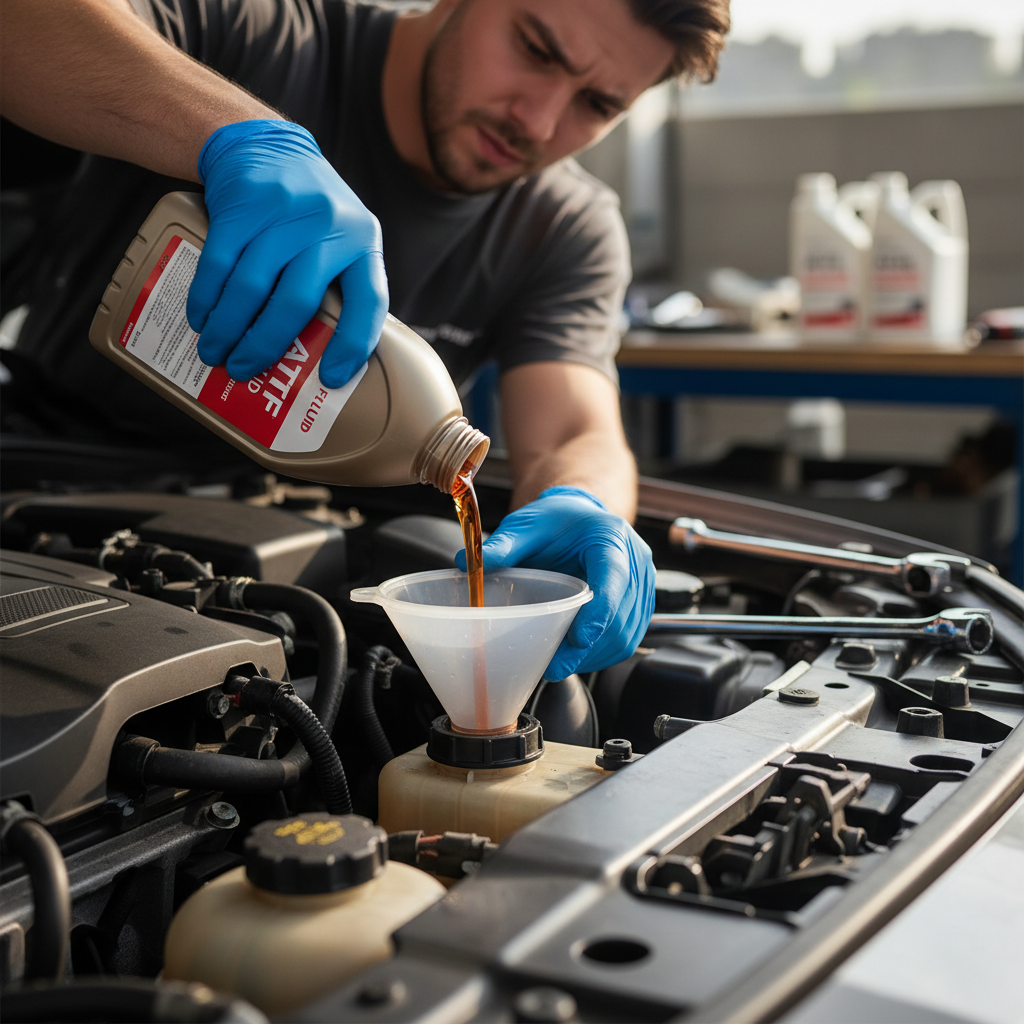
By addressing these areas, vessel operators can mitigate risks associated with harsh weather conditions, ensuring both crew and cargo remain safe.
Training and Crew Preparedness
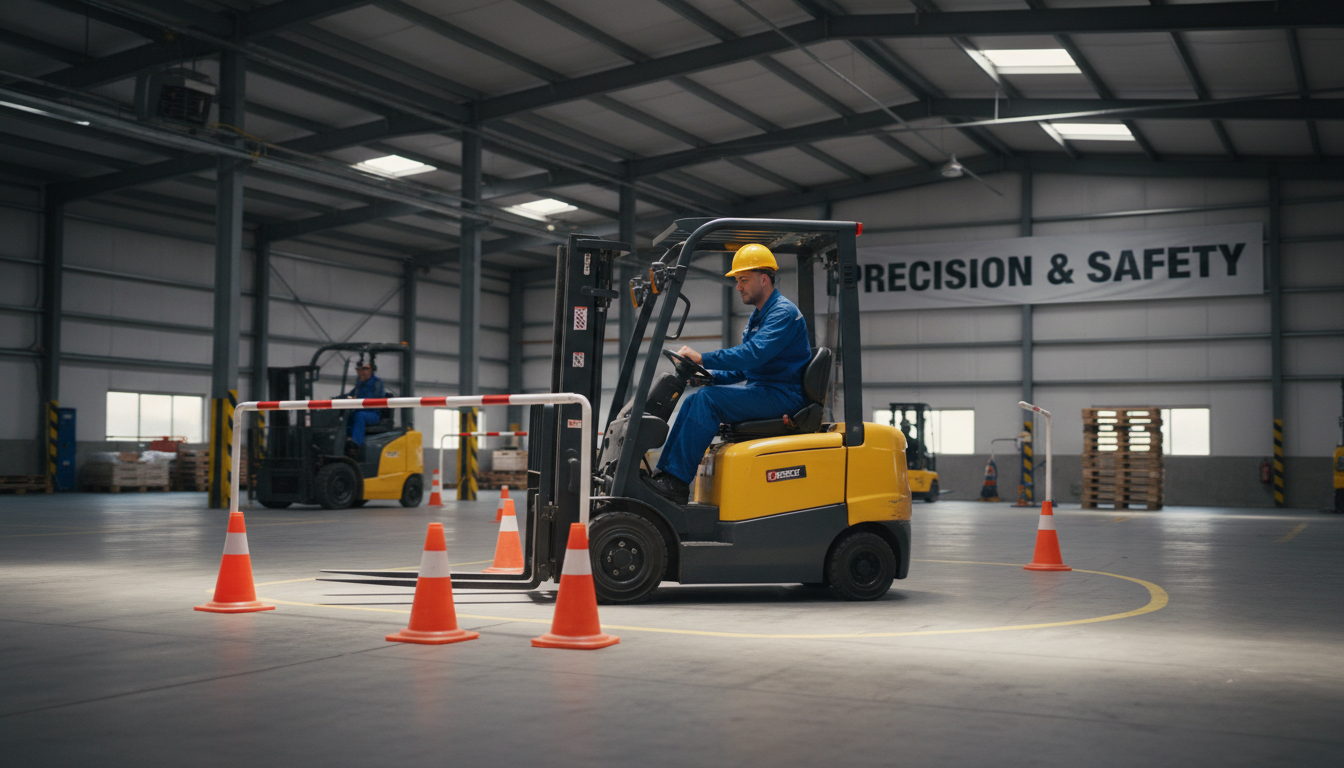
Human factors play a significant role in maritime safety. As the weather changes, it is vital to equip the crew with the necessary skills and knowledge. Regular training sessions on weather-related safety protocols can make a difference.
Additionally, conducting drills for emergency situations ensures that the crew remains calm and effective during real-life scenarios. It's important to establish clear communication channels on board to relay weather updates promptly.
Utilizing Technology for Weather Monitoring
Advanced technology offers tools and systems that can significantly enhance maritime safety. Investing in weather monitoring technology allows vessels to receive real-time updates on weather conditions. This information is crucial for making informed decisions about route adjustments and timing.
Moreover, integrating GPS and radar systems can improve navigation and help avoid hazardous areas, reducing the risk of accidents. Embracing these technologies not only ensures safety but also boosts operational efficiency.
Collaboration with Local Authorities
Collaboration with local maritime authorities is essential for staying updated on weather advisories and safety regulations. Authorities often provide valuable insights and resources to ensure maritime safety during seasonal weather changes.
By staying informed and working closely with these organizations, maritime operators can align their safety protocols with national standards, enhancing overall safety measures.
In conclusion, ensuring maritime safety during Dubai's weather changes requires a multifaceted approach. From vessel preparation and crew training to technological integration and collaboration with authorities, each step is crucial in maintaining safety at sea.