
Preparing for Seasonal Changes in the Marine Industry: A UAE Perspective
SG
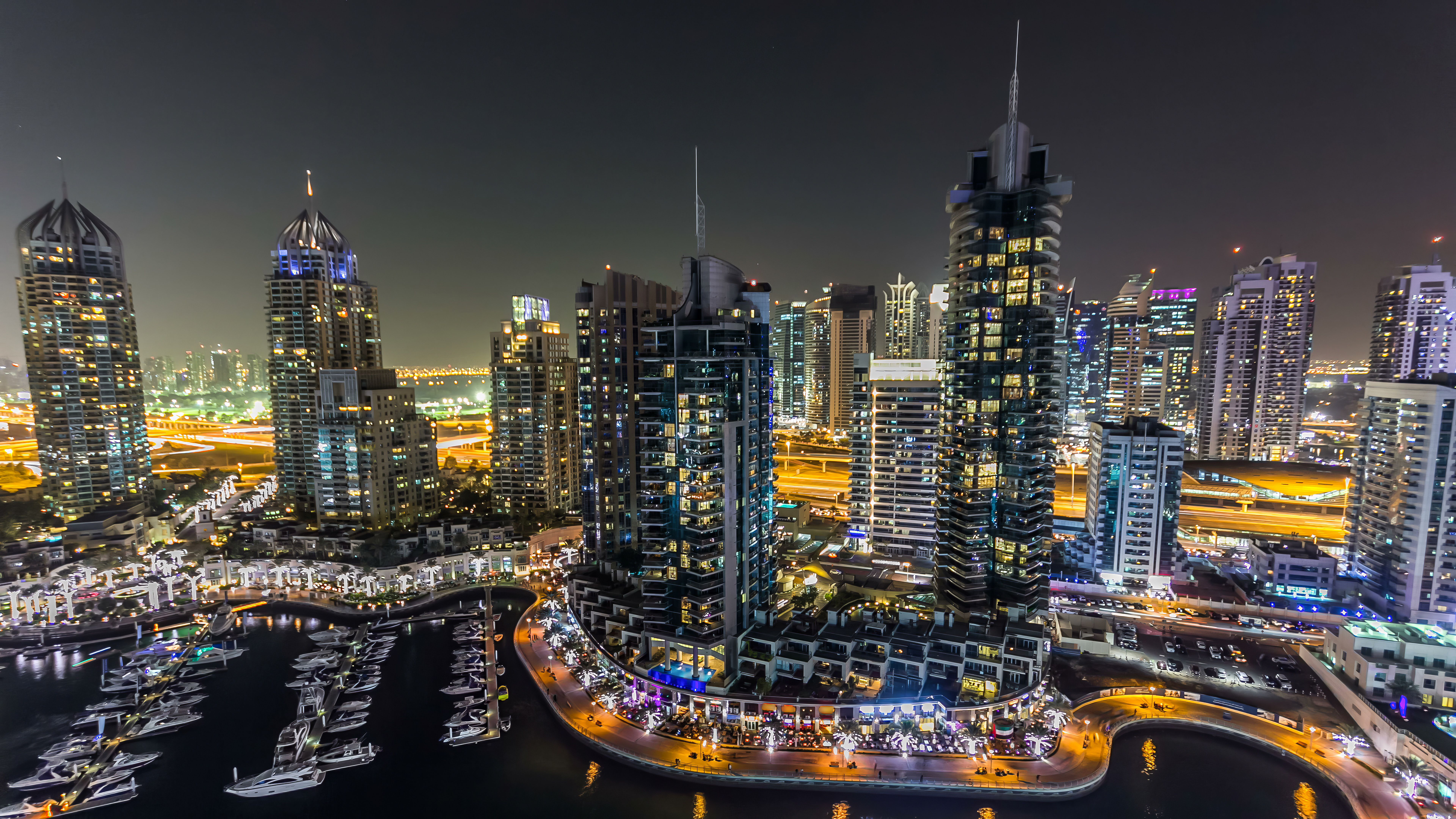
The marine industry in the UAE experiences significant seasonal changes, impacting everything from operations to maintenance. Preparing for these transitions is crucial to ensure safety and efficiency. As the UAE is a hub for maritime activities, understanding these changes can help businesses thrive.
Understanding Seasonal Weather Patterns
The UAE’s climate is characterized by hot, arid summers and mild winters. During summer, temperatures can soar above 40°C, affecting both crew and equipment. Conversely, winter months bring cooler temperatures and occasional fog, which can impact visibility and navigation.
Marine operators must stay informed about weather forecasts and seasonal patterns. This knowledge allows them to plan routes effectively and ensure that vessels are equipped to handle varying conditions.
Maintenance and Safety Precautions
Seasonal changes necessitate different maintenance schedules. For example, the intense heat during summer can lead to equipment wear and tear. Ensuring that cooling systems are functioning optimally is essential to prevent overheating.

In winter, checking for corrosion and ensuring that navigation systems are updated can help avoid accidents in foggy conditions. Regular inspections and timely repairs are vital to maintaining operational integrity.
Safety Training for Crew
Safety training is a crucial aspect of preparing for seasonal changes. Crew members should be well-versed in handling the specific challenges posed by different weather conditions. Training sessions should cover emergency protocols, weather monitoring, and equipment handling.
- Emergency response drills
- Weather interpretation workshops
- Equipment maintenance training
Adapting Operational Strategies
Adjusting operational strategies to align with seasonal changes can enhance efficiency. For instance, scheduling maintenance during off-peak seasons can minimize disruptions. Additionally, planning shipping routes that avoid extreme weather can reduce fuel consumption and improve safety.
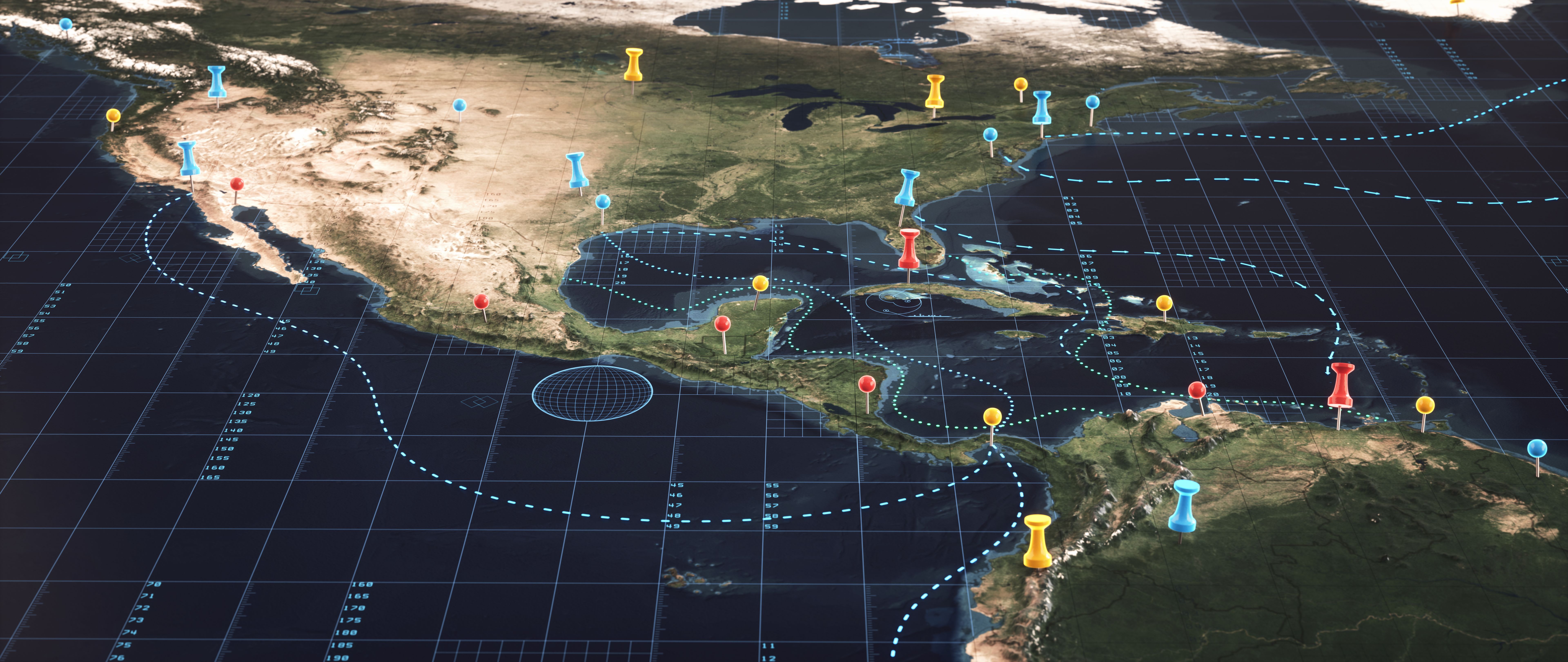
Companies should also consider investing in technology that aids in predictive analysis, helping them anticipate and respond to weather changes proactively.
Environmental Considerations
The marine industry in the UAE must also consider environmental impacts during seasonal transitions. Protecting marine ecosystems while ensuring compliance with environmental regulations is essential. Implementing eco-friendly practices can help mitigate the adverse effects of seasonal changes.
Using biodegradable materials, reducing emissions, and monitoring marine biodiversity are steps that can be taken to protect the environment.
Conclusion
Preparation is key to navigating seasonal changes in the UAE's marine industry. By understanding weather patterns, implementing robust maintenance schedules, and adopting strategic operational adjustments, businesses can ensure safety and efficiency. As the industry continues to grow, embracing these practices will help maintain the UAE’s status as a leading maritime hub.