How Vessel Inspection Services Ensure Efficiency and Safety
SG
In the maritime industry, vessel inspection services play a crucial role in ensuring both efficiency and safety. These inspections are vital for maintaining the integrity of ships and ensuring they comply with international standards. By regularly assessing the condition of vessels, companies can prevent potential hazards and costly downtime.
Importance of Regular Inspections
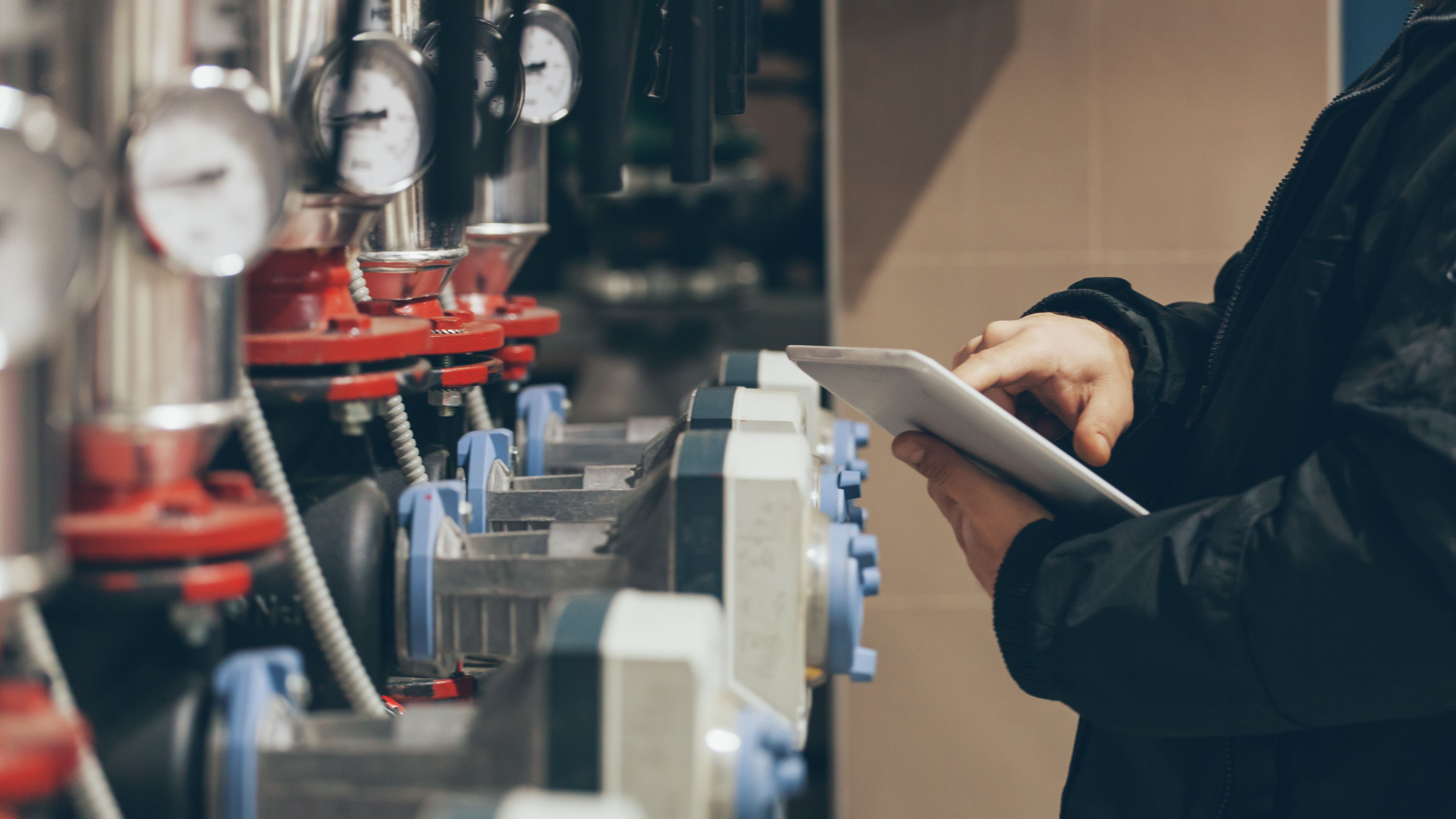
Regular inspections are essential for identifying any issues that could compromise a vessel's performance. These assessments help in detecting wear and tear, structural damage, or any other problems that might not be immediately apparent. By addressing these issues promptly, companies can avoid unexpected repairs and disruptions in operations.
Moreover, regular inspections contribute to the optimal performance of the vessel. A well-maintained ship is more efficient, consumes less fuel, and operates more smoothly, thereby reducing operational costs in the long run.
Safety Benefits
Safety is a top priority in the maritime industry, and vessel inspections are a critical component in ensuring it. Inspections help in identifying potential safety hazards, such as faulty equipment or structural weaknesses, which could lead to accidents or environmental disasters.

By adhering to strict safety standards, companies can protect their crew, cargo, and the environment. This not only enhances the company's reputation but also ensures compliance with international regulations.
Components of Vessel Inspections
Vessel inspections typically cover several components, including:
- Hull and structural integrity
- Mechanical systems
- Electrical systems
- Safety equipment
- Navigational tools
Each of these components is thoroughly examined to ensure they meet the required standards. Any deficiencies are documented, and corrective actions are recommended.

Technological Advancements
With advancements in technology, vessel inspections have become more efficient and accurate. Tools such as drones, remote sensors, and advanced imaging techniques allow inspectors to assess hard-to-reach areas without the need for extensive manual labor.
These technologies not only improve the thoroughness of the inspections but also reduce the time and costs associated with the process. They enable inspectors to conduct more frequent assessments, ensuring vessels remain in peak condition.
The Role of Certified Inspectors
Certified inspectors play a pivotal role in the inspection process. Their expertise and experience are invaluable in identifying issues that might be overlooked by untrained personnel. Certification ensures that inspectors are knowledgeable about the latest industry standards and technologies.
By employing certified professionals, companies can trust that their vessels are being evaluated by experts dedicated to maintaining the highest levels of safety and efficiency.
Conclusion
In conclusion, vessel inspection services are indispensable for ensuring the efficiency and safety of maritime operations. Regular, thorough inspections conducted by certified professionals help prevent potential hazards and maintain optimal vessel performance.
By embracing technological advancements and adhering to stringent safety standards, the maritime industry can continue to operate safely and efficiently, safeguarding both people and the environment.