How to Ensure Safety and Efficiency in Marine Operations
SG
Understanding the Importance of Safety and Efficiency in Marine Operations
Marine operations are integral to global trade and transportation. Ensuring safety and efficiency in these operations is crucial for the sustainability of the industry. The maritime sector faces unique challenges, including adverse weather conditions, complex machinery, and the potential for human error. Addressing these challenges requires a strategic approach that prioritizes safety without compromising efficiency.

Implementing Robust Safety Protocols
One of the fundamental steps in enhancing safety in marine operations is the implementation of comprehensive safety protocols. This includes regular safety drills, proper training for all crew members, and adherence to international safety standards. Organizations like the International Maritime Organization (IMO) provide guidelines that are essential for maintaining high safety standards.
Furthermore, it is crucial to conduct regular inspections and maintenance of all equipment and vessels. Preventive maintenance can significantly reduce the risk of accidents and improve operational efficiency. By identifying potential issues before they escalate, maritime operators can ensure smooth and safe operations.
Incorporating Advanced Technology
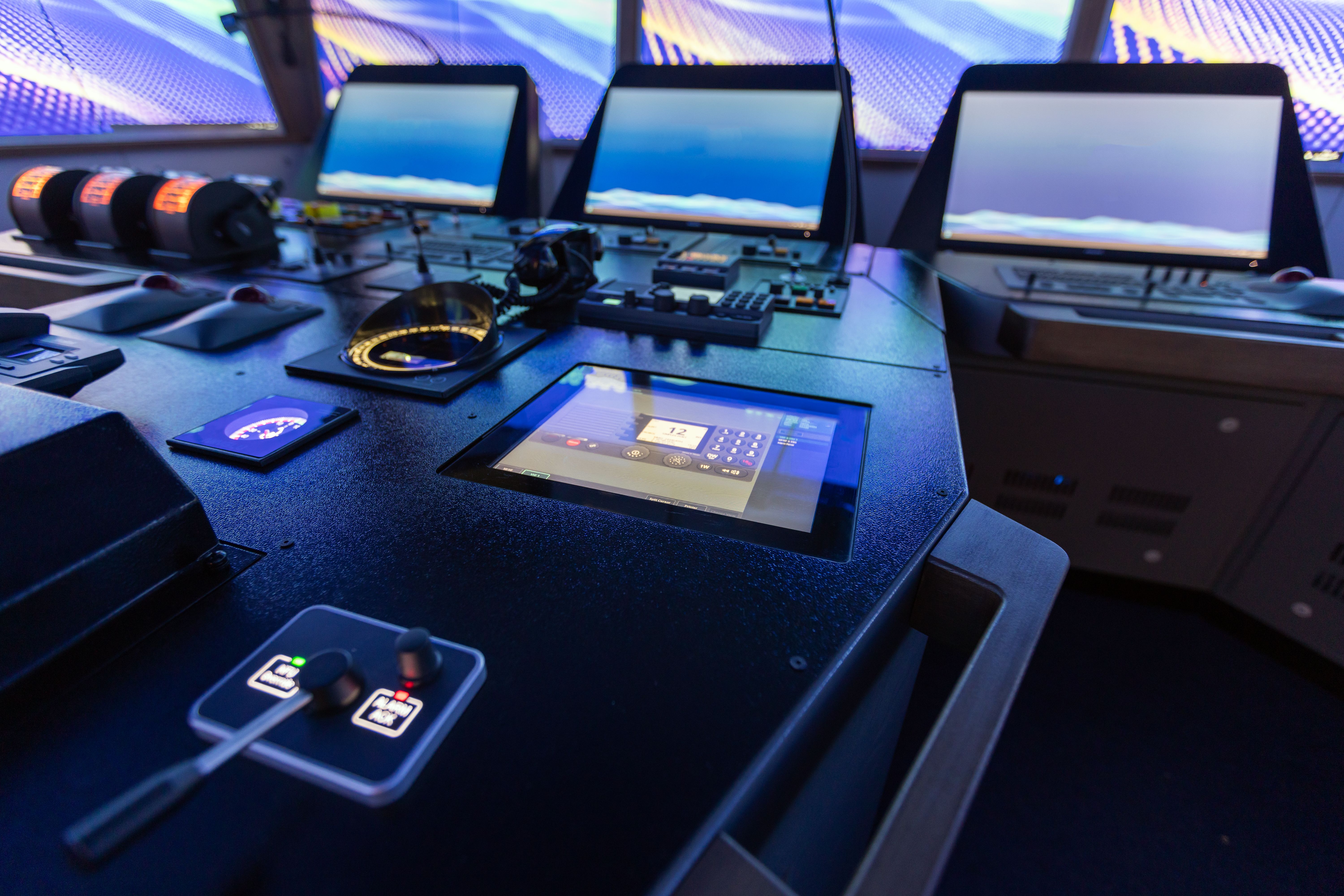
Technology plays a pivotal role in enhancing both safety and efficiency. The use of advanced navigation systems, automated machinery, and real-time monitoring tools can drastically reduce the likelihood of human error. These technologies provide operators with critical data and insights, enabling better decision-making and risk management.
Additionally, leveraging the Internet of Things (IoT) and artificial intelligence (AI) can further enhance operational efficiency. IoT devices can monitor equipment performance, while AI can predict maintenance needs, ensuring that the vessels are always in optimal condition.

Fostering a Safety-First Culture
Creating a culture that prioritizes safety is essential for any organization involved in marine operations. This involves not only providing training and resources but also encouraging open communication about safety concerns. When crew members feel empowered to report potential hazards, it leads to a more proactive approach to safety management.
Leadership plays a critical role in fostering this culture. By demonstrating a commitment to safety and efficiency, leaders can inspire their teams to follow suit. Regular feedback and safety audits can help maintain this focus and continuously improve safety practices.
Optimizing Operational Procedures
Efficiency in marine operations is not just about speed but also about optimizing processes. Streamlining operations through effective planning and coordination can lead to significant improvements in both safety and efficiency. This might include optimizing routes to avoid adverse weather conditions or coordinating with ports to minimize waiting times.
Utilizing data analytics can provide insights into operational inefficiencies and areas for improvement. By analyzing data from past voyages, operators can identify patterns and make informed decisions to enhance future operations.
Conclusion
Ensuring safety and efficiency in marine operations requires a holistic approach that combines robust safety protocols, advanced technology, a safety-first culture, and optimized operational procedures. By prioritizing these elements, maritime operators can navigate the challenges of the industry and contribute to a safer, more efficient global maritime landscape.