Expert Tips for Efficient Ship Management and Operations
SG
Understanding the Basics of Ship Management
Efficient ship management is crucial for ensuring smooth operations and maintaining profitability in the maritime industry. At its core, ship management involves overseeing the day-to-day operations of a vessel, ensuring compliance with regulations, and maintaining the physical condition of the ship. A solid foundation in these basics can set the stage for more advanced operational strategies.

Implementing Technology Solutions
Modern technology offers numerous tools that can enhance ship management efficiency. From advanced navigation systems to real-time data analytics, employing the right technology can significantly streamline operations. Investing in software that provides predictive maintenance alerts and fuel optimization can reduce costs and improve safety.
Ensuring Compliance and Safety
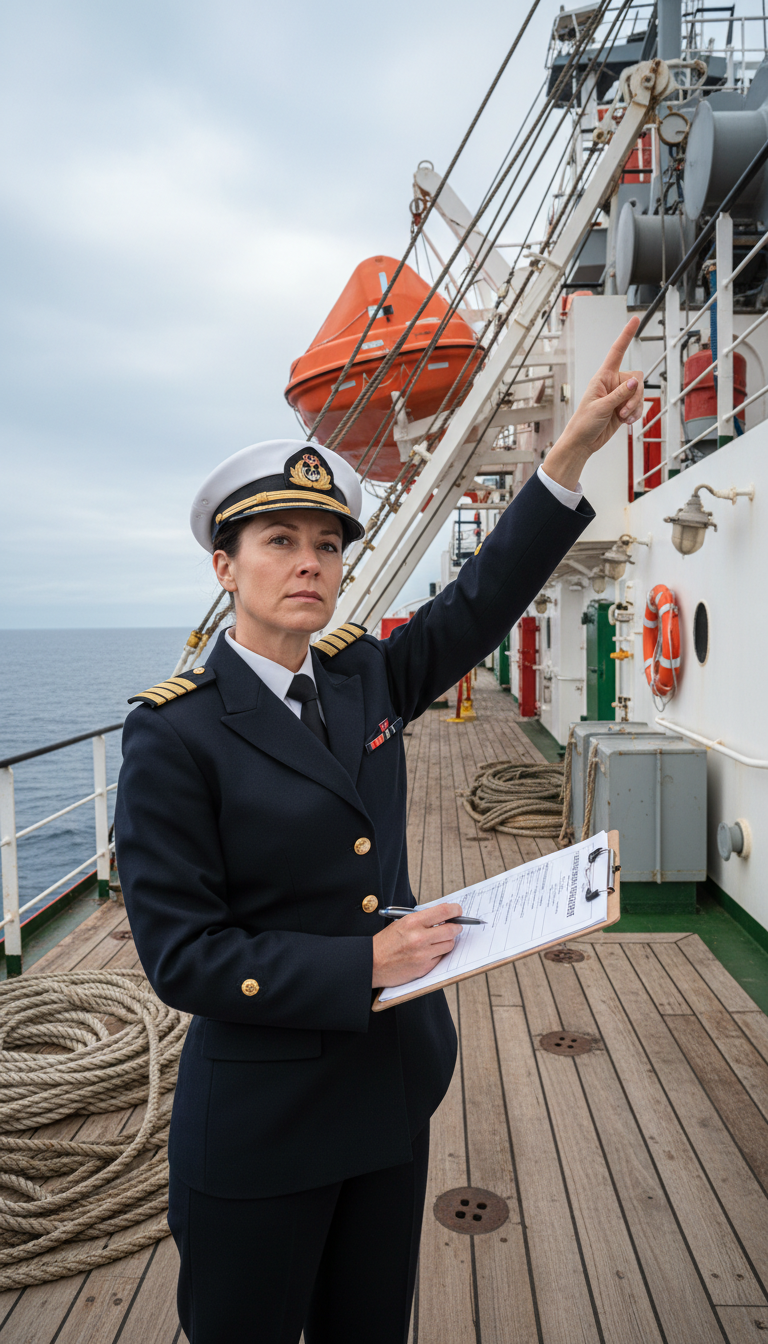
Compliance with international maritime regulations is non-negotiable. Efficient ship management requires staying updated with changes in regulations and ensuring that all crew members are adequately trained. Safety should always be a top priority, with regular drills and inspections to prevent incidents at sea.
Enhancing Crew Management
A well-managed crew is the backbone of any successful shipping operation. Effective communication and leadership can boost morale and productivity. Offering continuous training and development opportunities not only improves skills but also increases job satisfaction, leading to lower turnover rates.
Optimizing Route Planning
Route planning is another critical aspect of efficient ship management. By utilizing weather data and predictive analytics, ship managers can optimize routes to save time and fuel. This not only reduces operational costs but also minimizes the environmental impact of shipping activities.

Maintaining Vessel Condition
Regular maintenance is essential for keeping a ship in top condition. Implementing a proactive maintenance schedule can prevent costly repairs and downtime. Utilizing IoT devices for monitoring the ship's condition can provide real-time data, allowing for timely interventions before issues escalate.
Fostering Environmental Responsibility
As environmental concerns grow, ship managers must prioritize sustainable practices. Reducing emissions and investing in green technologies are becoming increasingly important. Implementing energy-efficient systems and adopting cleaner fuels can help in meeting environmental targets and improving the company's reputation.
Adopting a Holistic Management Approach
Finally, a holistic approach to ship management considers all aspects of operations. From financial management to human resources, integrating various departments and functions can lead to more cohesive and efficient operations. Emphasizing teamwork and communication across all levels ensures that everyone is aligned with the company's goals.

In conclusion, efficient ship management is a multifaceted endeavor that requires attention to detail and a commitment to continuous improvement. By adopting the right strategies and technologies, ship managers can enhance operations, ensure compliance, and contribute to a more sustainable maritime industry.