Expert Insights: The Future of Ship Chartering in the Middle East
SG
Understanding the Current Landscape
The Middle East has long been a pivotal hub in the global shipping industry, thanks to its strategic location and vast natural resources. The ship chartering sector in this region is poised for significant evolution as market demands shift and technological advancements reshape traditional practices. Understanding these dynamics is crucial for stakeholders aiming to leverage future opportunities.
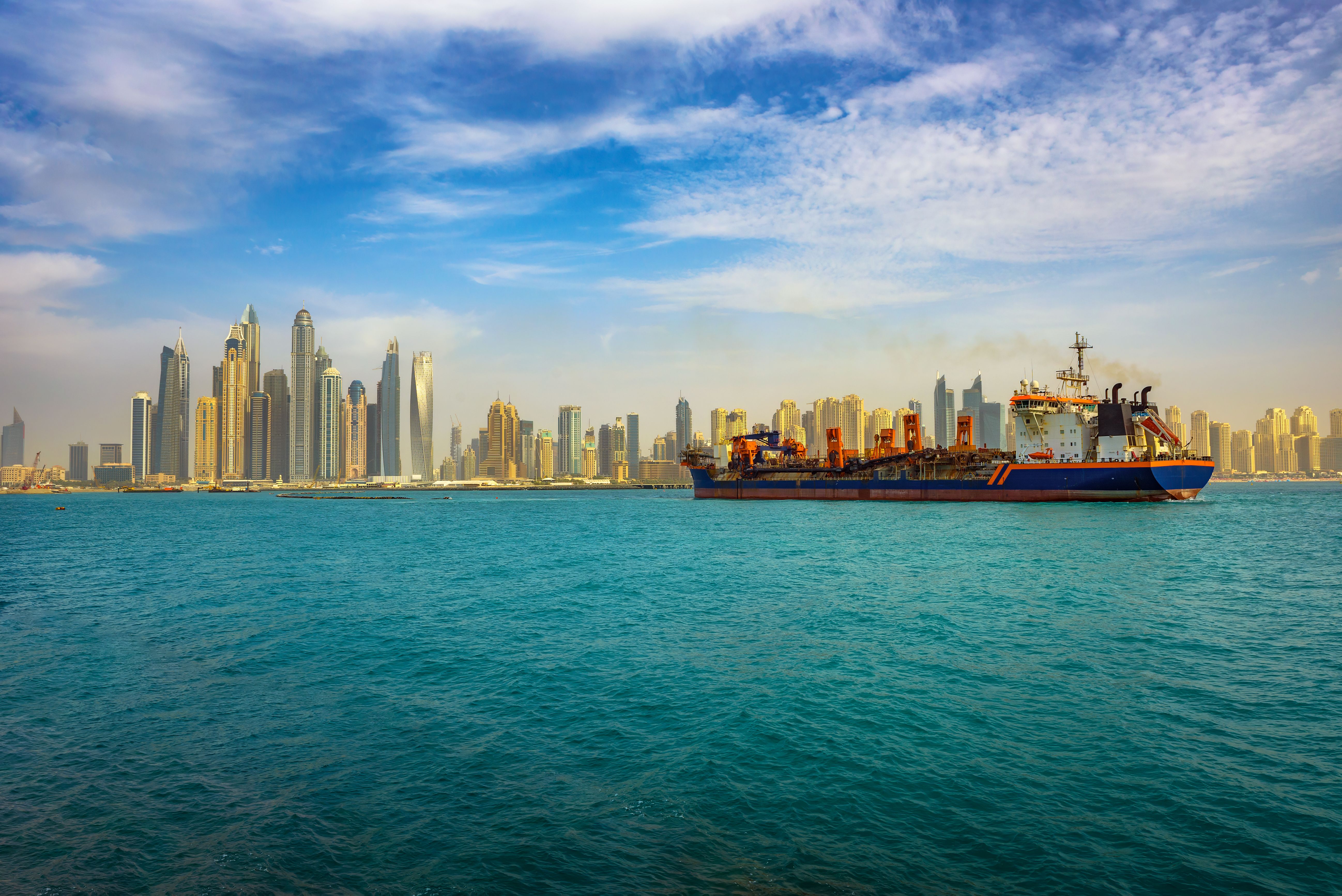
Currently, the Middle East benefits from robust infrastructure and a well-established maritime network. Key ports like Jebel Ali in the UAE and Jeddah Islamic Port in Saudi Arabia continue to serve as vital gateways for international trade. However, the region must adapt to new environmental regulations and digital innovations to maintain its competitive edge.
Technological Transformations
Technology is playing an increasingly critical role in ship chartering. The introduction of artificial intelligence and blockchain technology is revolutionizing how contracts are managed and data is shared. These technologies promise to enhance transparency, reduce fraud, and streamline operations, offering substantial cost savings and efficiency improvements.
Moreover, the use of big data analytics allows for better decision-making by providing insights into market trends and vessel performance. This data-driven approach enables charterers to optimize routes and reduce fuel consumption, aligning with global sustainability goals.

Sustainability and Environmental Concerns
The push for sustainability is reshaping the maritime industry, with stricter regulations on emissions and fuel standards coming into effect. The Middle East is investing in greener technologies, such as LNG-powered ships and advanced hull designs, to meet these new requirements.
Embracing sustainable practices not only helps in compliance but also enhances the region's reputation as a responsible player in the global market. Companies that lead in environmental initiatives are likely to see increased demand from environmentally conscious clients.
Geopolitical and Economic Factors
Geopolitical tensions and economic shifts can significantly impact ship chartering in the Middle East. Trade policies and regional conflicts may alter shipping routes and affect demand for certain types of vessels. It's essential for businesses to stay informed about these developments and adapt their strategies accordingly.
The diversification of economies in the region, with a focus on reducing oil dependency, presents both challenges and opportunities. As countries invest in other sectors like renewable energy and tourism, new shipping routes and demands are likely to emerge.
Future Outlook and Opportunities
The future of ship chartering in the Middle East looks promising, with numerous opportunities for growth and innovation. Businesses that invest in technology, prioritize sustainability, and stay agile in the face of geopolitical changes will likely thrive.
Key opportunities include the development of smart ports, expansion of the Suez Canal, and increased collaboration with international partners. By leveraging these opportunities, the Middle East can solidify its position as a leader in the global maritime industry.

Conclusion
The ship chartering industry in the Middle East is on the brink of exciting transformations. By embracing technological advancements, prioritizing sustainability, and navigating geopolitical challenges, the region can continue to play a vital role in global shipping. Stakeholders who proactively adapt to these changes will find themselves well-positioned for success in the future landscape of maritime trade.