Ensuring Efficient Ship Management and Operation: Best Practices
SG
Introduction to Efficient Ship Management
Effective ship management is crucial for ensuring smooth operations at sea and in port. With the complexity of modern maritime logistics, adopting best practices is essential to maintaining efficiency and safety. This article explores key strategies to enhance ship management and operation.

Implementing Advanced Technology
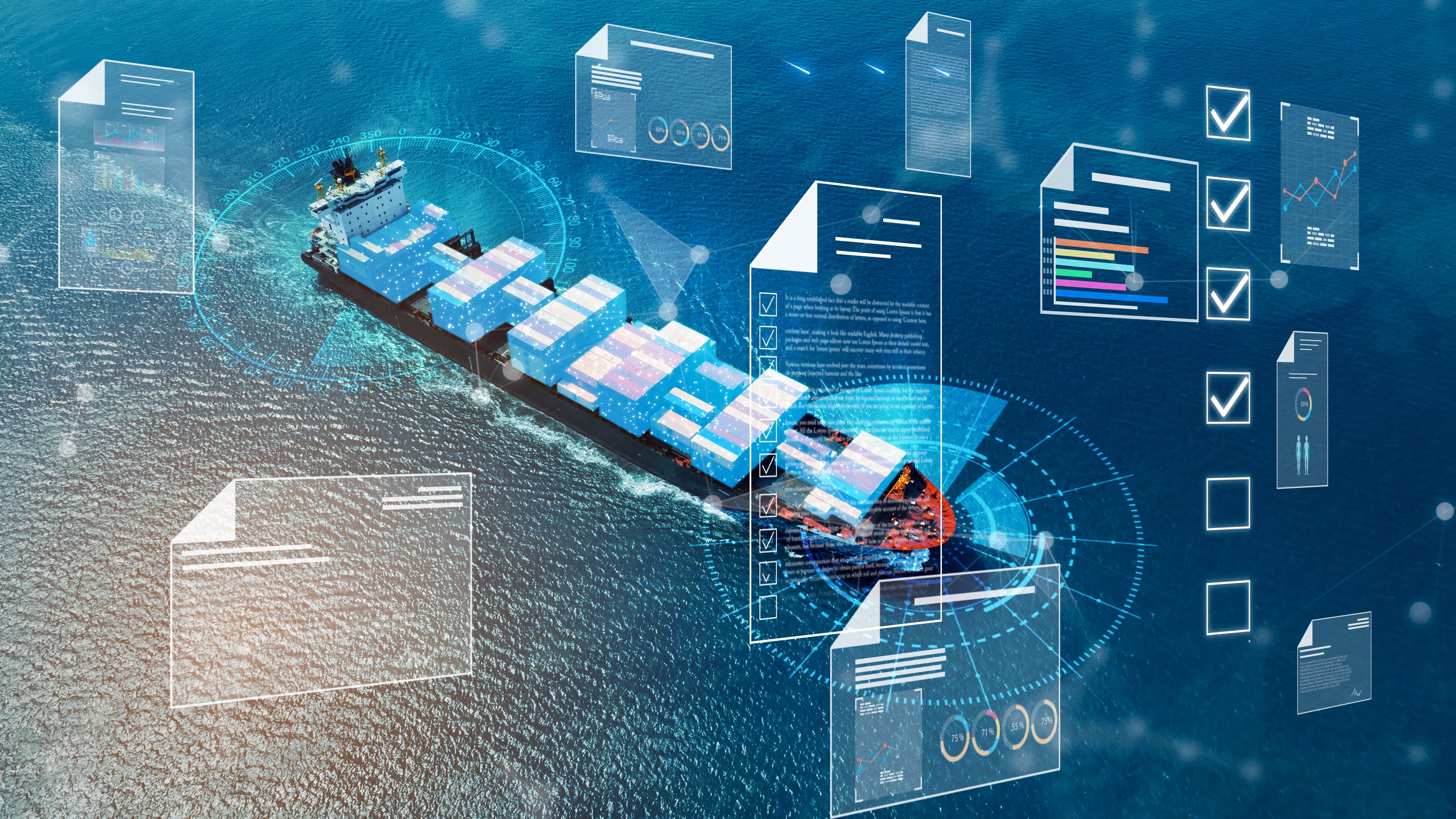
Integrating advanced technology into ship operations can significantly improve efficiency. Digital tools, such as fleet management software, offer real-time data analysis, helping in route optimization and fuel management. These technologies enable ship managers to make informed decisions quickly.
Another technological advancement is the use of automated systems for routine tasks. Automation reduces human error and allows the crew to focus on more critical operations. Incorporating these systems can lead to substantial cost savings and improved safety.
Utilizing Data Analytics
Data analytics plays a pivotal role in ship management. By analyzing data from various sources, such as weather forecasts and engine performance, ship operators can anticipate potential issues and optimize routes to save time and fuel. This proactive approach ensures better resource management and reduces operational costs.
Ensuring Crew Competency
The competency of the crew is fundamental to efficient ship operation. Regular training programs and workshops can enhance the skills and knowledge of crew members. Keeping the crew updated with the latest maritime regulations and safety protocols is essential for smooth operations.
Moreover, fostering a culture of continuous learning and improvement among the crew ensures they are prepared to handle any challenges that may arise during voyages. This approach not only boosts morale but also increases operational efficiency.
Effective Communication
Clear and effective communication between ship managers and crew is vital. Utilizing communication tools, such as satellite phones and radios, ensures that instructions are accurately conveyed and understood. This clarity helps in executing operations seamlessly and reduces the likelihood of misunderstandings.

Maintaining Equipment and Infrastructure
Regular maintenance of ship equipment and infrastructure is crucial for preventing breakdowns and ensuring safety. Implementing a preventive maintenance schedule can help identify potential issues before they become severe problems, thus avoiding costly repairs and downtime.
Additionally, using high-quality spare parts and equipment can extend the lifespan of ship systems, contributing to more reliable operations. Investing in quality maintenance practices is a wise decision for long-term efficiency.
Environmental Considerations
With increasing focus on sustainability, environmental considerations are becoming a key aspect of ship management. Implementing eco-friendly practices, such as reducing emissions and managing waste effectively, not only complies with international regulations but also enhances the vessel's reputation.

Conclusion
Ensuring efficient ship management and operation requires a comprehensive approach that includes advanced technology, skilled crew, effective communication, regular maintenance, and environmental awareness. By adopting these best practices, ship operators can achieve optimal performance, safety, and sustainability in their maritime ventures.