Comprehensive Guide to Maritime Safety and HSE: Ensuring Safe Seas
SG
Understanding Maritime Safety
Maritime safety is a critical aspect of the global shipping industry, ensuring that vessels, crews, and cargoes navigate the seas without incident. It encompasses a range of practices and protocols aimed at preventing accidents and minimizing risks. From adherence to international regulations to the use of advanced technology, maritime safety is a multi-faceted discipline that requires constant attention and improvement.
The Role of HSE in Maritime Operations
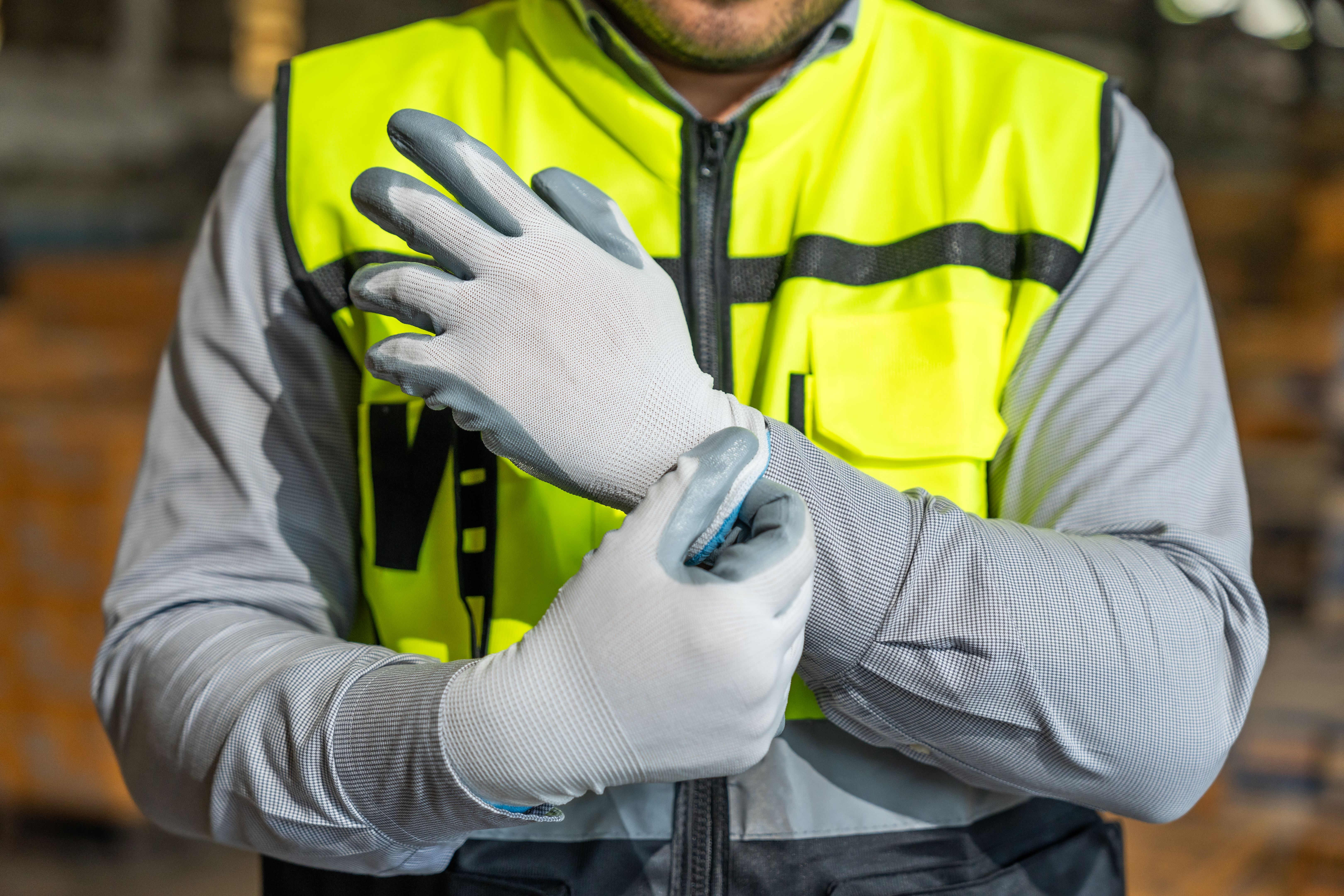
Health, Safety, and Environment (HSE) plays a pivotal role in maritime operations. It involves a comprehensive approach to managing risks associated with health and safety onboard ships and environmental protection. Effective HSE practices ensure not only the wellbeing of personnel but also the sustainability of marine ecosystems. Implementing robust HSE policies helps in identifying potential hazards and instituting measures to mitigate them.
Key Components of HSE
The key components of HSE in the maritime context include:
- Health: Ensuring the physical and mental well-being of crew members through regular medical check-ups and support services.
- Safety: Implementing safety protocols and training to prevent accidents and injuries.
- Environment: Adopting practices that reduce environmental impact, such as waste management and pollution control.

International Regulations and Standards
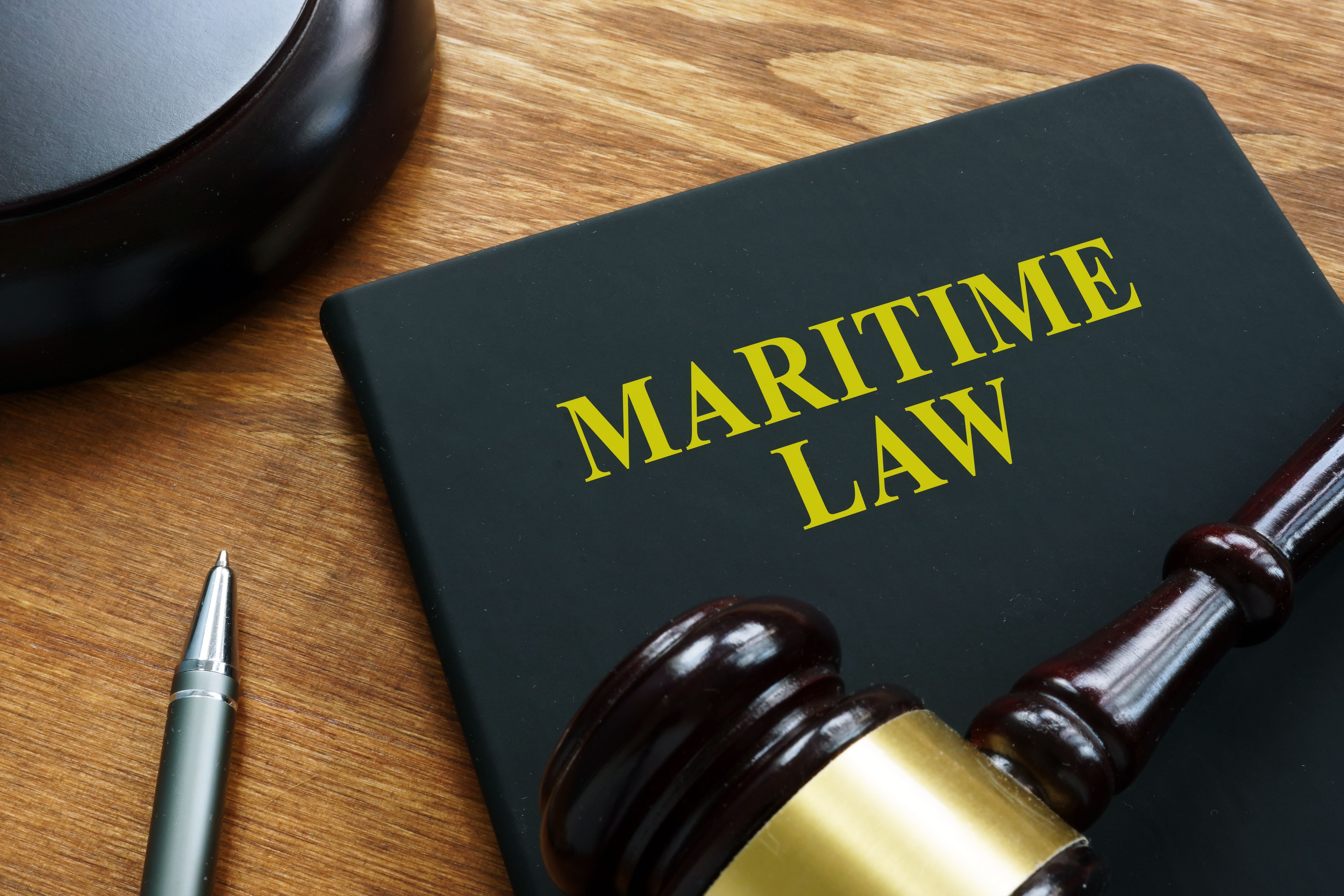
Maritime safety and HSE are governed by a set of international regulations and standards designed to standardize practices across the globe. The International Maritime Organization (IMO) plays a crucial role in establishing these guidelines, which include the Safety of Life at Sea (SOLAS) Convention and the International Safety Management (ISM) Code. Compliance with these regulations is mandatory for ensuring safe and efficient maritime operations.
Importance of Compliance
Compliance with international standards is not just a legal obligation but also a key factor in risk management. It helps shipping companies to avoid legal penalties, enhance their reputation, and ensure the safety of their operations. Regular audits and inspections are conducted to verify adherence to these standards.
Technological Advancements in Maritime Safety
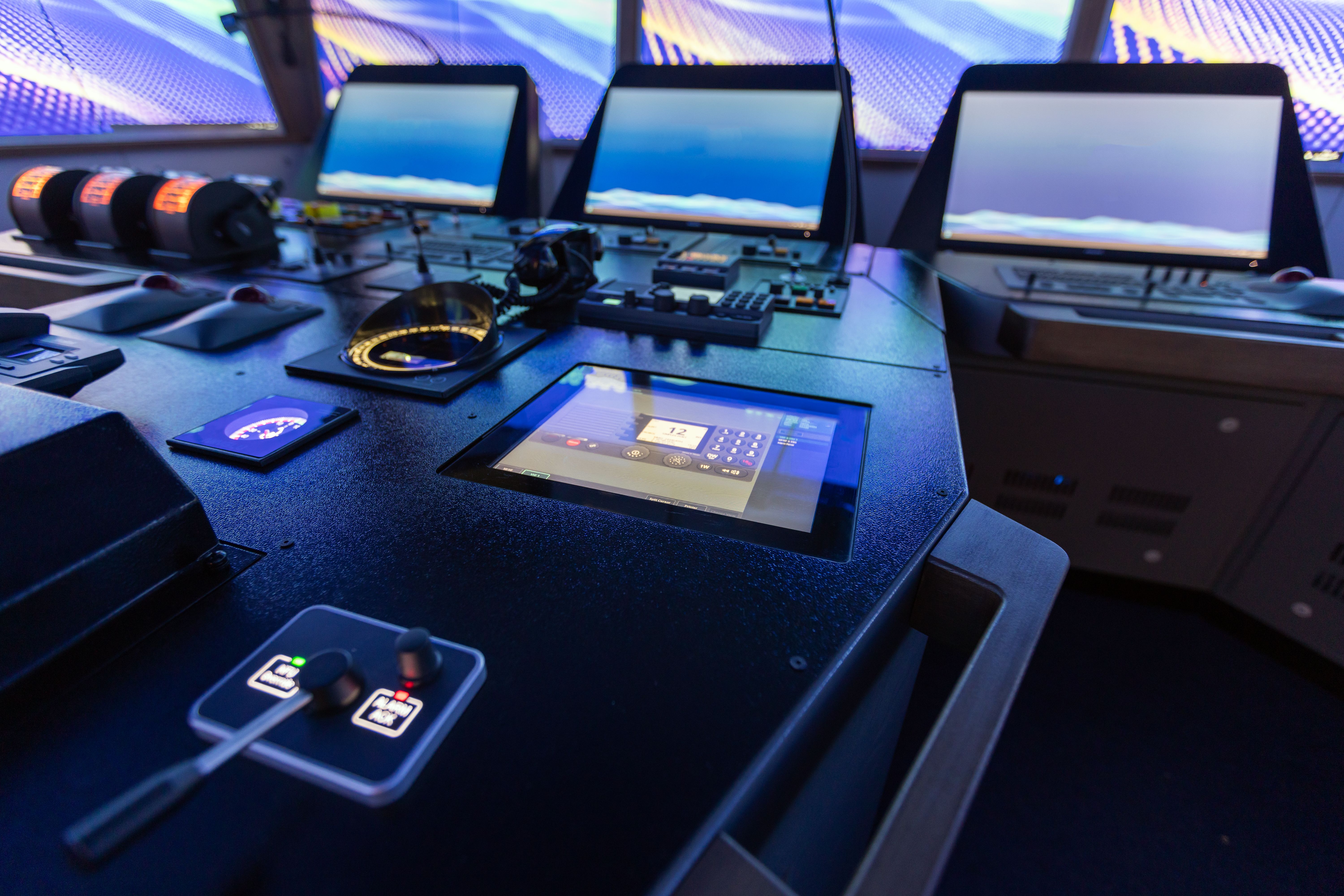
Technology has significantly advanced maritime safety, offering tools and systems that enhance navigation, communication, and emergency response. Innovations such as Automatic Identification Systems (AIS), Electronic Chart Display and Information Systems (ECDIS), and real-time weather monitoring have transformed the way maritime safety is managed.
The Future of Maritime Safety
The future of maritime safety lies in the continued integration of technology and innovation. Emerging technologies such as artificial intelligence and machine learning are poised to further enhance safety protocols, offering predictive analytics and automated solutions. Investing in research and development is essential for staying ahead in the ever-evolving maritime industry.
Ensuring safe seas is a collective responsibility that requires collaboration between international bodies, governments, and industry stakeholders. By prioritizing maritime safety and HSE, we can protect lives, preserve the environment, and promote sustainable maritime operations for future generations. Continuous improvement and adaptation to new challenges are vital for maintaining the highest standards of safety at sea.