A Guide to Ship Management and Operation: Ensuring Safe and Efficient Journeys
SG
Introduction to Ship Management
Ship management and operation are critical components of the maritime industry, ensuring that vessels are operated safely and efficiently. This guide will explore key aspects of ship management, providing insights into how to maintain smooth and secure voyages across the seas.
Effective ship management involves a combination of technical, operational, and commercial tasks. From routine maintenance to compliance with international regulations, every detail matters in ensuring the safety and efficiency of maritime operations.

Key Responsibilities in Ship Management
Ship management encompasses various responsibilities that require meticulous attention. Here are some of the essential duties involved:
- Technical Management: This includes maintaining the vessel's machinery and equipment to ensure optimal performance and safety.
- Crew Management: Proper training and management of the crew are crucial for smooth operations and emergency readiness.
- Safety and Compliance: Adherence to international maritime laws and environmental regulations is mandatory for all vessels.
Technical Management
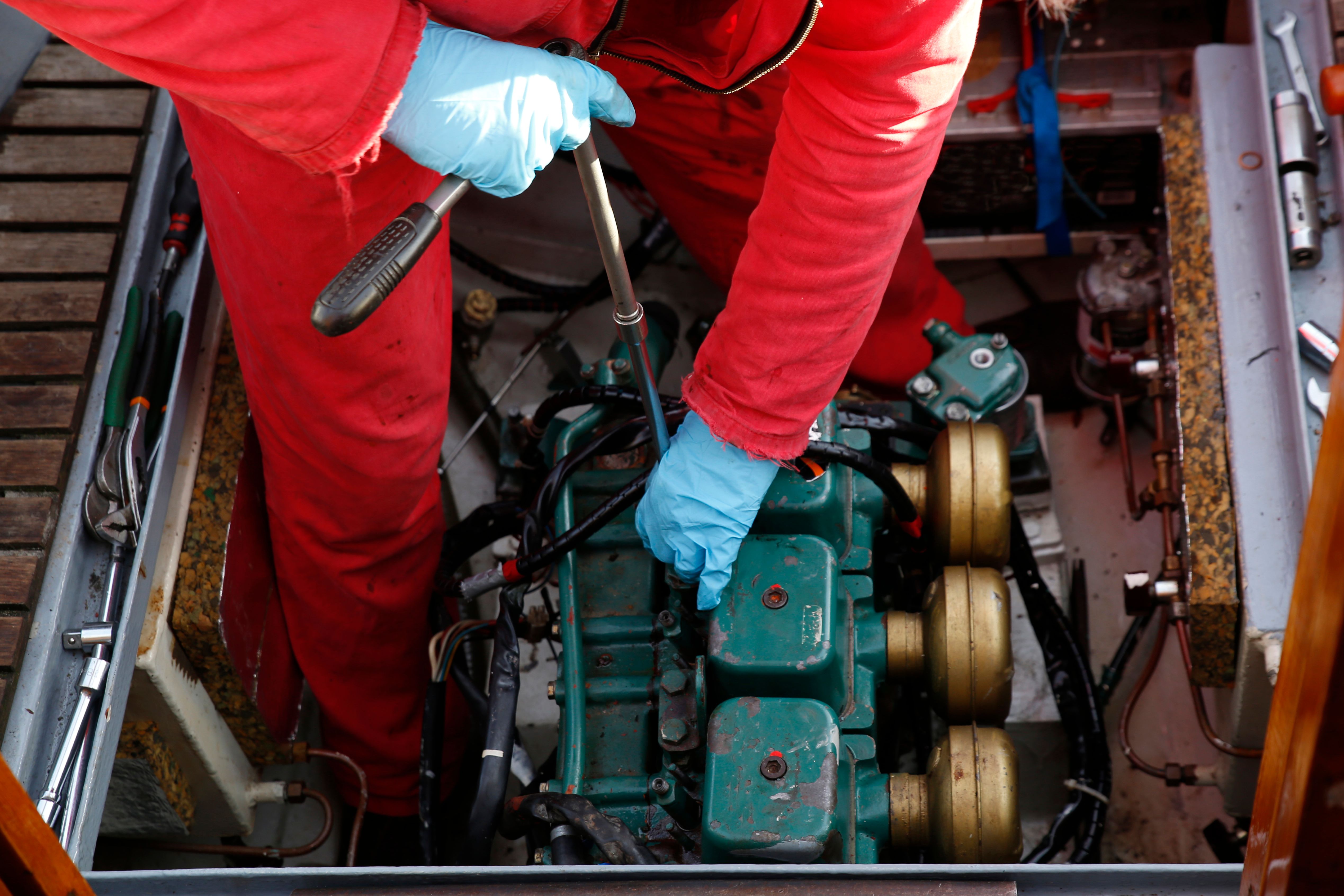
Technical management is the backbone of ship operations, focusing on the maintenance and repair of the vessel's technical systems. Regular inspections and prompt repairs are vital to prevent breakdowns and ensure the ship's reliability at sea.
Crew Management: Ensuring Efficiency and Safety
The crew is an integral part of ship operations, and their efficiency directly impacts the ship's performance. Proper training programs and clear communication channels are essential for maintaining a competent and motivated crew.
Effective crew management also involves ensuring the well-being of the crew, providing them with adequate facilities and support during their time at sea. This not only boosts morale but also enhances productivity and safety.
Safety and Compliance
Safety is paramount in ship management. Compliance with international standards such as the International Maritime Organization (IMO) regulations is crucial for minimizing risks and ensuring the safety of both the crew and the environment.

Regular safety drills and audits help in identifying potential hazards and implementing necessary measures to mitigate them. Staying updated with the latest regulations and technologies is also vital for maintaining compliance and safety.
Conclusion: Ensuring Smooth and Safe Journeys
Effective ship management and operation require a comprehensive approach that covers technical, crew, and safety aspects. By focusing on these areas, ship managers can ensure that their vessels operate efficiently, safely, and in compliance with international standards.
Through diligent management and a commitment to continuous improvement, the maritime industry can achieve smoother, safer, and more efficient journeys, contributing to the global economy and environmental sustainability.